Is Severna Park really that competitive, and what should you expect if you are planning a move this year? If you are weighing waterfront access against budget or trying to time your sale around school schedules, you are not alone. In this guide, you will learn how pricing works here, what makes waterfront property different, when to act, and which numbers to watch before you make a decision. Let’s dive in.
What drives prices in Severna Park
Severna Park sits between Baltimore, Annapolis, and Washington, D.C., so commuting patterns and local incomes support steady housing demand. Many buyers look for suburban living with easy access to the water, which keeps interest strong across price points. At the same time, supply is limited, especially on the waterfront, since most prime parcels are already developed and zoning keeps lot sizes stable.
External forces matter too. Shifts in mortgage rates change affordability, which can expand or shrink the buyer pool. The broader job market across the Mid-Atlantic also influences confidence. In short, demand is deep, supply is tight, and rates can tilt the playing field.
Here are the local factors that most influence value:
- Waterfront premium: Direct water access, private piers, and deep-water slips typically command higher prices.
- Lot size and views: Larger lots, water views, and protected shoreline features add value, though bulkhead or shoreline structures come with upkeep.
- Home size and condition vs. tear-down value: Many older homes, especially near the water, carry high lot value. Whether to renovate or replace affects pricing and time on market.
- Schools and micro-markets: Proximity to Anne Arundel County Public Schools and quiet cul-de-sacs often ranks high for family buyers. Keep school references neutral and verify zoning.
- Commute and access: Buyers weigh drive times and access to Route 2 and 3, I-97, and Route 50, along with regional commuter options.
- Market liquidity and rates: Sale-to-list ratios, days on market, and months of inventory shift alongside interest rates.
Waterfront vs. inland homes
Water access is not one-size-fits-all. Understanding the specific type of access and its trade-offs will help you compare apples to apples.
Waterfront premiums explained
Waterfront in Severna Park falls into a few categories:
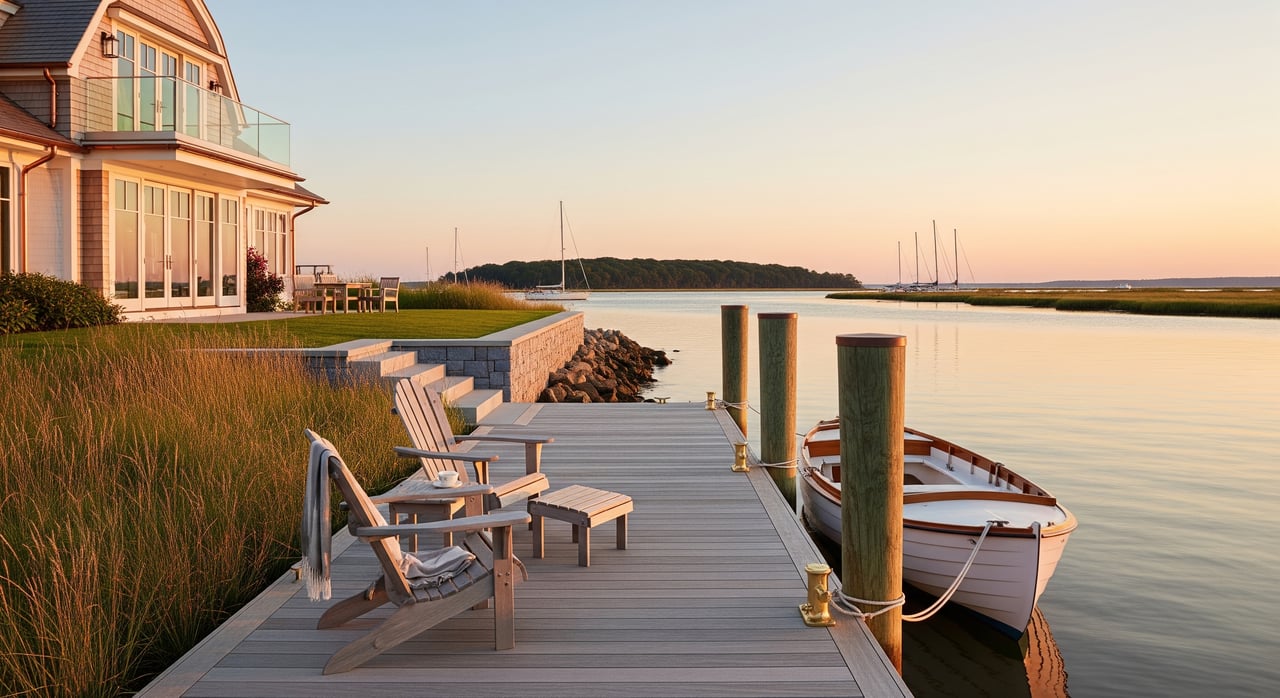
- Direct waterfront with private piers and deep water
- Shorefront with shallow water or tidal marsh between the home and navigable channels
- Canal or community marina access
- Non-waterfront homes in inland neighborhoods
Buyers tend to pay more for usable boating access, especially where there is deep water and easy channel access. Views matter, but docking a boat at your own pier usually carries a stronger premium than views alone. In hotter seller markets, that premium can widen. In cooler markets, the premium still exists but can be more sensitive to condition and exact location.
Unique risks and costs
Waterfront ownership offers a unique lifestyle and specific responsibilities. Be ready to plan for:
- Flood risk and insurance: If a property is in a FEMA Special Flood Hazard Area, lenders commonly require flood insurance. Premiums vary with elevation and mitigation features, so verify before you write an offer.
- Erosion and bulkhead maintenance: Shoreline stabilization, bulkheads, and riprap require ongoing care. Replacement and repairs need permits and careful budgeting.
- Docks and pier permitting: County and state approvals govern size, placement, and environmental impact. Know what is existing, what is permitted, and what is possible.
- Septic versus sewer: Some waterfront homes may rely on septic systems. Check age, condition, and any plans or eligibility for sewer connections.
Renovate or rebuild on the water
Many older waterfront homes are sold primarily for the lot and access value. Your choice to renovate or rebuild depends on current condition, local permitting limits, and shoreline constraints. Comparable sales should match water depth, dock rights, and flood mitigation improvements to be meaningful.
Seasonality and timing
Like most of Maryland, Severna Park follows a familiar rhythm. You will see the most new listings and buyer traffic in spring. Summer stays active, especially for waterfront shoppers, with a mid-summer pause as families travel. Fall tapers in both listings and buyers, then winter brings the leanest inventory and more motivated parties on both sides.
Local patterns to keep in mind:
- Waterfront demand is less seasonal: Serious boaters shop year-round, though listings with boat access often get more attention in spring and early summer.
- School-year timing: Families plan moves around summer break, which drives a spring listing surge.
- Weather and storm season: Waterfront showings and inspections can be influenced by storm activity, tides, and access logistics.
Best times to sell
If you want maximum exposure, listing in late winter or early spring is a common strategy. Stage before photos, tune up landscaping, and tackle dock or shoreline maintenance early. Prepare clean documentation for flood, elevation, and any shoreline permits. If your property is waterfront, highlight usable access and recent improvements that mitigate risk.
Sellers who list in fall may face fewer competing listings. While the buyer pool can be smaller, the shoppers who remain are often serious and time sensitive.
Smart timing for buyers
If you want the most options, shop in spring when new listings peak. Expect more competition and prepare a strong, clean offer. If you want negotiating leverage, explore late fall and winter. Selection will be thinner, but you may face fewer bidding wars. For waterfront homes, consider off-season searches and offers, but budget for deeper inspections to uncover any hidden storm or shoreline issues.
Local rules, costs, and permits
Understanding carrying costs and local rules can prevent surprises later.
- Taxes and insurance: Anne Arundel County property tax rates and any municipal levies affect your monthly budget. Factor in homeowners insurance and, if applicable, flood insurance for properties in higher-risk zones.
- HOA and community fees: Some neighborhoods include community marinas, piers, beach areas, or common-space maintenance. Verify dues and what they cover.
- Permits and development constraints: Shoreline work, bulkhead projects, pier installations, and major renovations require county and state permits, with environmental reviews in many cases. If a property uses septic, ask about any septic-to-sewer programs and feasibility for future projects.
- Financing and appraisals: Conventional loans are common here, but waterfront or flood-prone properties can face stricter underwriting. Appraisers need close matches on access type, water depth, dock rights, and mitigation work. Expect a careful review of comps.
Comparing nearby communities
Buyers often stack Severna Park against nearby options, each with its own draw.
- Arnold: Similar water access and suburban feel. Compare lot sizes, commute patterns, and specific marina options.
- Pasadena and Glen Burnie: Often more affordable, with broader inland choices. Review amenities and commuting preferences.
- Annapolis: Many waterfront areas carry higher price points. The historic core and downtown amenities attract buyers who value walkability and a distinct city identity.
- Broadneck Peninsula neighborhoods such as Cape St. Claire: Some areas offer strong Bay access. Compare marina setups, community amenities, and assigned school zones.
Common trade-offs include price versus direct water access, commute time versus lot size, and lifestyle gains versus ongoing maintenance and insurance needs.
How to read the market now
Before you list or write an offer, track these metrics to understand momentum and pricing power:
- Median sold price over the last 12 months, plus a 3 to 6 month trend
- Sale-to-list price ratio to gauge negotiation room
- Median days on market and how the distribution looks by price band
- Active listings and new listings by month to spot inventory shifts
- Months of inventory to understand supply and demand balance
- Price per square foot by neighborhood and by waterfront versus inland
- Share of sales that are waterfront compared to total sales
For reliable, up-to-date numbers, review local MLS data and market reports. Bright MLS is the primary source for Anne Arundel County listings. Maryland REALTORS reports help with regional context. To confirm parcel details, consult county property records. For demographics and commuting patterns, reference federal data sources. Local news outlets can flag development plans that might change supply.
Quick checklist: buyers and sellers
Use this short list to move forward with clarity.
For sellers
- Schedule prep early. Handle landscaping, touch-ups, and any dock or shoreline maintenance before photos.
- Gather documents. Collect permits, flood zone information, elevation certificates, and HOA details if applicable.
- Price with precision. Align with recent comps that match water access type, lot size, and condition.
- Time your launch. Late winter to early spring maximizes exposure. Fall can work well with less competition.
For buyers
- Get pre-approved. Make sure your lender addresses flood zones and any property-specific underwriting questions.
- Verify risk and costs. Check flood zone status, insurance estimates, HOA or marina fees, and expected shoreline upkeep.
- Inspect with specialists. For waterfront, consider marine contractors and inspectors familiar with bulkheads, docks, and tidal issues.
- Confirm permits and feasibility. Ask about septic versus sewer, and the process for dock or shoreline changes.
- Watch the right data. Monitor DOM, months of inventory, and sale-to-list ratios to guide your negotiation plan.
Next steps
Your best move is to combine hard data with local insight that accounts for water depth, dock rights, commute needs, and seasonality. Whether you are comparing neighborhoods or preparing a waterfront sale, a local advisor can help you price correctly, time the market, and negotiate with confidence.
If you want a clear plan tailored to your timeline and goals, reach out to Teresa Klem. Get your free home valuation or schedule a consultation.
FAQs
How much more do Severna Park waterfront homes cost?
- It depends on usable access, water depth, dock rights, and exposure. The premium is higher for deep-water piers and direct channel access, while views alone usually add less.
Are Severna Park waterfront homes harder to finance or insure?
- Lenders and insurers look closely at flood risk and condition. Expect flood insurance if the home is in a FEMA Special Flood Hazard Area and plan for careful underwriting.
When is the best time to sell a Severna Park home?
- Late winter into spring typically brings the most buyer activity. Waterfront listings also see strong traffic in spring and early summer, though micro-market factors matter.
Should I worry about flooding or sea-level rise in Severna Park?
- Yes, you should evaluate risk. Review flood maps, elevation details, and local history for the specific property. Long-term projections may affect insurance and resale.
How does Severna Park compare to Annapolis, Arnold, Pasadena, or Glen Burnie?
- Severna Park skews residential with strong waterfront neighborhoods. Annapolis often carries higher waterfront prices and a historic core, while Pasadena and Glen Burnie can offer lower entry points. Arnold is a close comparator on access and feel.
Which market metrics should I track before making an offer in Severna Park?
- Focus on median price trends, days on market, months of inventory, sale-to-list ratios, and the share of waterfront sales. Compare price per square foot for similar access and condition.