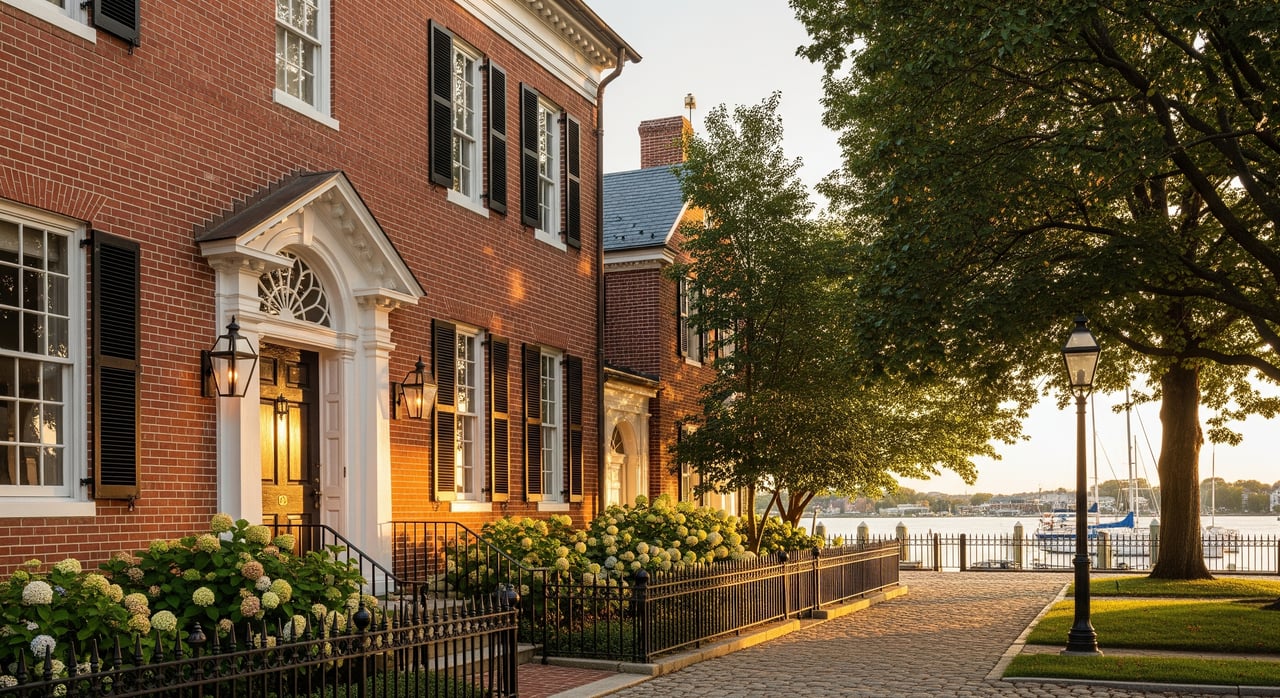
Selling a historic home in Annapolis is both exciting and complex. You want the right buyer who appreciates your home’s character, and you also want a smooth, well‑managed sale. The key is preparation: knowing which rules apply, what to fix or document, and how to present your home’s story. This checklist walks you step by step through what to do, why it matters locally, and who to involve so you can sell with confidence. Let’s dive in.
Confirm historic status and restrictions
Start by learning exactly how your home is designated and what that means for buyers.
- Determine if your property lies within the City of Annapolis municipal historic district. Exterior changes in this area typically require review by the Historic District Commission and a Certificate of Appropriateness.
- Check for recorded preservation easements, covenants, or deed restrictions that travel with title. These affect what a future owner can change and must be disclosed.
- Gather any National Register listing paperwork or local designation documents. If prior rehabilitation was certified for tax credits, note that history for buyers.
Why it matters: Local reviews can affect a buyer’s plans and timeline. Easements and restrictions shape marketability, appraisal, and financing. Being clear upfront builds trust and reduces surprises during negotiations.
Gather documents buyers expect
Create a complete property file before you list. Buyers of historic homes value documentation.
- Title documents showing any preservation easements, covenants, or restrictions.
- Historic designation records or National Register paperwork.
- Permits and approvals for prior exterior work, including historic commission and building permits.
- Restoration records: invoices, contractor certificates, paint analysis, and before‑and‑after photos.
- Maintenance logs for roofing, mechanicals, chimney, and drainage.
- A features inventory describing significant elements such as original woodwork, windows, mantels, floors, porches, and hardware.
- Any energy‑upgrade documentation like insulation, HVAC, storm windows, or thermal improvements.
Inspect systems and address risks
Order inspections from pros who understand older buildings. Focus on safety, insurability, and lender requirements.
- Home inspection by an inspector experienced with historic construction. Ask for attention to foundations, masonry, moisture, rot, sash and frames, plaster, chimney and liner condition.
- Electrical evaluation for knob‑and‑tube wiring or ungrounded systems. Many lenders and insurers require updates.
- Plumbing assessment for galvanized pipes, lead service lines, and cast‑iron drains.
- Roof and flashing review, especially if you have slate, cedar, or standing‑seam metal.
- Heating and cooling check, including operability of fireplaces and last service dates.
- Moisture management review of grading, gutters, downspouts, and basement conditions.
- Identify known hazards. If your home was built before 1978, federal rules require lead‑based paint disclosures and an opportunity for testing.
Plan preservation‑sensitive repairs
Buyers of historic homes value authenticity. Prioritize repair over replacement when feasible.
- Repair historic windows and restore plaster where possible. Repoint masonry with compatible mortar.
- If replacement is necessary, document matching materials and methods. Keep removed historic components when feasible.
- Use reversible or minimally invasive energy upgrades, such as interior or exterior storm windows, weatherstripping, attic insulation, and HVAC zoning.
Stage to highlight character
Your goal is to present a clean, cared‑for home that showcases original details without over‑modernizing.
- Declutter and deep clean. Avoid finishes that obscure historic elements.
- Restore or highlight key features. Expose original flooring if possible, clean masonry, repair plaster, and refresh trim with historically appropriate colors.
- Commission high‑quality, period‑sensitive photos that capture both architectural detail and system updates. Offer a printed or digital heritage packet during showings.
Set a pricing and appraisal strategy
Comps can be limited for historic homes, so be methodical with valuation.
- Consider a pre‑listing appraisal from an appraiser experienced with historic properties. They can weigh integrity of features, quality of restoration, and constraints.
- Build a thoughtful comp set that notes differences in historic integrity, lot, systems, location, and restrictions.
- Highlight measurable value drivers in your pricing narrative: proximity to downtown Annapolis, access to the waterfront, walkability, documented maintenance, and any certified restoration history.
Market what buyers want to know
Transparency builds trust and protects your timeline.
- Clearly state your home’s designation level and whether it sits in a local historic district or is on the National Register.
- Disclose preservation easements and provide documents during listing, not just at contract.
- Be explicit about exterior changes that require local review and typical approval timelines.
- Provide a restoration and maintenance packet with photos, invoices, permits, inspection reports, and warranties.
- Reach target buyers through preservation‑minded channels, MLS fields that note historic designation, and open houses aligned with local house tours.
Disclosures, financing, and insurance
Set expectations early so financing and closing move forward smoothly.
- Lead‑based paint: For homes built before 1978, you must give buyers the required federal lead hazard information, disclose known hazards, and allow inspection.
- Follow Maryland and City of Annapolis disclosure rules, especially regarding easements and restrictions. Consult your agent or attorney to ensure compliance.
- Expect financing questions about older systems or preservation constraints. Preemptive repairs to address safety or insurability can keep deals intact.
- Negotiate with clarity. Provide estimates or reports for roofing, chimneys, mechanicals, or structural items. Inventory original fixtures and built‑ins in the contract to avoid disputes.
- Insurance premiums can be impacted by slate roofs, wood shingles, or older wiring. Obtain quotes early to guide buyers.
Build your Annapolis resource team
Engage specialists who work with historic properties in Anne Arundel County.
- City of Annapolis historic preservation staff for guidance on Certificates of Appropriateness and design review procedures.
- Anne Arundel County Planning and Zoning for preservation policies outside city boundaries.
- Maryland Historical Trust for technical guidance, National Register information, and state preservation programs.
- National Park Service guidance, including the Secretary of the Interior’s Standards for Rehabilitation. Note that federal historic tax credits generally apply to income‑producing properties, not owner‑occupied homes.
- Professionals: a real estate agent experienced with Annapolis historic homes, a preservation architect or consultant, an older‑home inspector and structural engineer, contractors skilled in historic materials, an appraiser familiar with historic valuation, a Maryland real estate attorney, and an insurance broker who understands historic policies.
Quick checklist before you list
Use this condensed list to stay on track.
- Confirm designation and restrictions: local district, National Register, and any recorded preservation easements.
- Gather documents: title, permits, designation paperwork, contractor invoices, maintenance logs, restoration records.
- Order specialist inspections: older‑home inspection, electrical and plumbing evaluations, roof and chimney review, structural engineer if needed.
- Address immediate safety and insurability issues: knob‑and‑tube wiring, active roof leaks, structural concerns.
- Choose preservation‑sensitive repairs: window repair, compatible mortar repointing, restoring original finishes.
- Compile lead‑based paint disclosures for pre‑1978 homes and prepare the required federal pamphlet for buyers.
- Prepare a buyer heritage packet with condition reports, receipts, and permit history.
- Secure a pre‑listing appraisal or data‑driven comparative analysis using true historic comps.
- Capture high‑resolution architectural photography and write marketing copy that states designation, restrictions, and maintenance history.
- Line up professionals for post‑contract approvals or escrow needs: preservation architect, contractor, and local permitting contacts.
Ready to sell your piece of Annapolis history with clarity and confidence? With deep local knowledge, negotiation expertise, and a full‑service approach, Teresa brings the right prep, pricing, and presentation together for top‑tier results. If you are curious about your home’s value or want a custom sale plan, connect with Teresa Klem.
FAQs
What is a Certificate of Appropriateness in Annapolis?
- It is the local approval required for exterior changes within the municipal historic district, and it helps guide appropriate preservation treatments and timelines for work after closing.
How do preservation easements affect a sale?
- Easements are recorded restrictions that travel with title and limit alterations; they must be disclosed and can influence buyer plans, appraisals, and financing.
Do I need a lead‑based paint disclosure for a pre‑1978 home?
- Yes. Federal rules require you to provide a lead hazard pamphlet, disclose known hazards, and offer buyers an opportunity for inspection within a specified period.
How should I price a historic home with few comps?
- Consider a pre‑listing appraisal by a historic‑savvy appraiser, build a focused comp set, and highlight documented maintenance, integrity of original features, and proximity to downtown or the waterfront.
Which repairs should I tackle before listing a historic house?
- Prioritize safety and insurability items first, then preservation‑minded repairs like window restoration, compatible mortar repointing, and moisture control to protect historic fabric.
Will historic status impact buyer financing or insurance?
- Historic status does not automatically block financing, but older systems and restrictions can affect lender conditions and insurance premiums, so provide documentation and obtain quotes early.
What belongs in a buyer heritage packet for showings?
- Include designation documents, permits, restoration invoices, maintenance logs, inspection reports, warranties, and high‑quality photos that document both features and systems.