If Edgewater is on your shortlist, you are in good company. Buyers love the South River lifestyle, quick access to Annapolis, and a wide mix of homes. Still, this market has details you need to understand before you write an offer. In this guide, you’ll learn the key factors that shape value, what to check for water access, and the rules that affect renovations and insurance. Let’s dive in.
Edgewater at a glance
Edgewater sits on the south side of the South River in Anne Arundel County, just a short drive from downtown Annapolis. Pricing varies by source and by micro-neighborhood. Recent provider snapshots show typical values ranging from the mid $400Ks to the mid $600Ks, depending on whether you look at median sales, listing medians, or modeled value indexes. Expect premiums for direct waterfront, updated homes, and easy water access.
What homes you’ll find
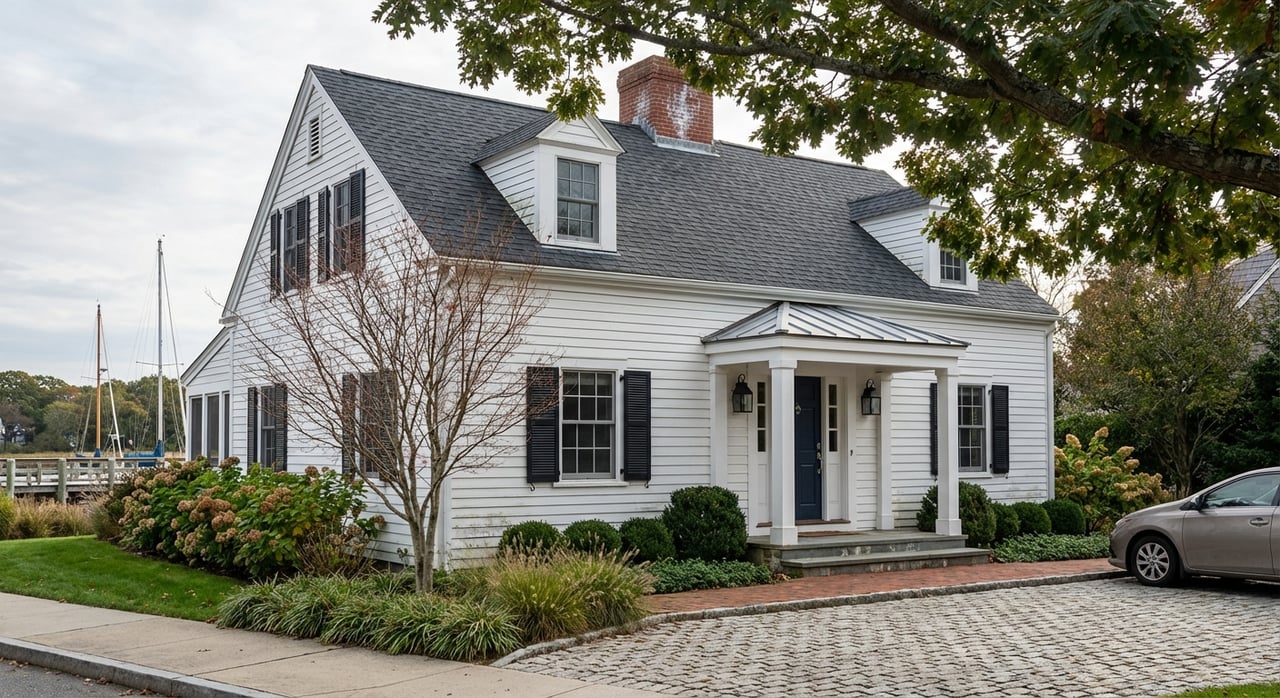
You’ll see a mix of classic single-family homes, mid‑century cottages, and newer infill or teardown‑rebuilds. There are also townhome and condo communities, some with association amenities. Neighborhoods vary by age and lot size, so compare condition and maintenance history closely, especially for older cottages near the water.
Water access: know the differences
Direct waterfront
Direct waterfront typically includes shoreline, a bulkhead or natural edge, and possibly a private pier. These homes carry the highest premiums and the most responsibility. Before you buy, verify any existing dock or bulkhead permits, riparian rights, and recent marine inspections.
Water‑privileged communities
Many Edgewater neighborhoods offer community beaches, ramps, or docks. This setup can reduce personal maintenance while giving you water access. Rules for shared areas and slip availability vary by community, so review association documents and waitlist policies closely.
Near‑water and view homes
Some homes sit near the water or on elevated lots with views but without direct access. These often come with lower insurance and maintenance costs than direct waterfront. You still want to check drainage, elevation, and any history of nuisance flooding during storms or tides.
Marina options
If you want a slip but not a waterfront property, explore local marinas. Operators such as Liberty Marina offer wet slips, dry storage, fuel, and service. Slip contracts are separate from your home purchase, so confirm current rates, waitlists, and transfer rules in writing.
Rules and permits in the Critical Area
Much of Edgewater falls within Maryland’s Chesapeake Bay Critical Area, which includes a minimum 100‑foot shoreline buffer from tidal waters and wetlands. The rules affect clearing, new impervious surfaces, additions, and shoreline work. Start with the state overview of the program and permit pathways through Maryland DNR’s Critical Area resources, then confirm parcel‑specific details with Anne Arundel County Planning and Zoning’s Critical Area page.
Key tips:
- Confirm if the property sits in the Critical Area or buffer before you plan renovations.
- Ask for any prior approvals or buffer management plans in the seller’s file.
- Treat pier, bulkhead, dredging, or living‑shoreline permits as a contract contingency.
Flood risk and insurance planning
Water proximity can change your insurance profile. Use FEMA’s Map Service Center to verify the property’s FEMA flood zone and download maps or an elevation certificate if available. Start insurance quotes early, since FEMA’s Risk Rating 2.0 calculates premiums differently than in the past.
- Look up parcel‑level zones at the FEMA Map Service Center.
- Consider long‑term planning tools, such as sea‑level rise viewers, to understand nuisance or high‑tide flooding scenarios.
- During inspections, look for drainage issues, evidence of prior flood repairs, and mold or moisture.
HOAs, community funds, and slips
Edgewater includes both traditional HOAs and community organizations that manage amenities. For example, South River Colony operates with HOA documents and listed dues; some shoreline communities operate benefit districts or community funds rather than standard HOAs. Always review governing documents, budgets, reserve studies, and any rules for shared docks or parking. As a reference point for HOA structure, see the overview for South River Colony’s association.
Sewer vs septic: what to check
Some Edgewater properties connect to public sewer, while others use onsite septic systems. Anne Arundel County’s long‑term Septic‑to‑Sewer program (called Our wAAter) funds community conversions through a petition process. If a neighborhood is approved for extension, owners are typically required to connect and pay an assessment for the local project.
- Confirm whether the property is on public sewer or septic before you write.
- If septic, order a full inspection and ask for system age, permits, and any repair history.
- Learn about the county program and timelines through the Our wAAter resources.
Commuting and regional access
Edgewater is close to downtown Annapolis, roughly 4 to 6 miles by road. Typical drive time to central Annapolis often runs about 10 to 20 minutes, depending on route and traffic, which aligns with local listing notes. For a county baseline, Anne Arundel’s mean travel time to work is about 29.4 minutes, according to U.S. Census QuickFacts. For a simple route reference to Annapolis, see this Edgewater to Annapolis distance overview.
Smart offer checklist
Here is a practical, offer‑ready checklist you can use in Edgewater:
- FEMA flood‑zone lookup and early insurance quotes. If possible, obtain a recent elevation certificate. Use the FEMA Map Service Center.
- Critical Area verification and permits. Confirm designation and request prior approvals through Anne Arundel County Planning and Zoning.
- Marine and shoreline due diligence. Hire a qualified marine contractor to inspect docks, pilings, and bulkheads; get any marina contracts or slip leases in writing. Browse services from a local operator like Liberty Marina.
- Sewer vs septic. Confirm connection status and any planned assessments. If septic, order a full inspection and estimate upgrade or replacement timelines. Learn more about the county program at Our wAAter.
- HOA or community documents. Request CC&Rs, bylaws, budgets, reserve studies, meeting minutes, and rules for community docks or ramps. For HOA context, see South River Colony’s association summary.
- Home inspection plus moisture and drainage checks. Ask for documentation of any prior flood claims or repairs.
- Title review for riparian rights and easements. Confirm deed language for water access and any recorded shoreline or marina leases.
Your next step
Buying in Edgewater rewards preparation. When you understand water access types, Critical Area rules, flood and insurance implications, and sewer connections, you can move quickly and confidently when the right home appears. If you want a seasoned local advocate to help you compare micro‑neighborhoods, structure clean contingencies, and negotiate from strength, reach out to Teresa Klem.
FAQs
How much do homes in Edgewater, MD typically cost?
- Recent provider snapshots show a range from the mid $400Ks to the mid $600Ks, with prices driven by micro‑location, water access, and condition.
What is the Chesapeake Bay Critical Area and why does it matter?
- It is a regulated zone near tidal waters with a minimum 100‑foot shoreline buffer that controls clearing, impervious surfaces, and shoreline work; confirm status and permits before renovations.
Do I need flood insurance for a home near the South River?
- It depends on the FEMA flood zone and property elevation; verify the parcel’s zone at the FEMA Map Service Center and get quotes early under Risk Rating 2.0.
Are Edgewater neighborhoods on public sewer or septic?
- Both exist; verify per address and review Anne Arundel County’s Septic‑to‑Sewer program details at Our wAAter.
How long is the commute from Edgewater to Annapolis?
- Many drives take about 10 to 20 minutes to central Annapolis depending on traffic and route; see this Edgewater to Annapolis distance reference.