Thinking about buying a historic home in Annapolis? It can be one of the most rewarding moves you make, but it comes with a different set of rules, costs, and responsibilities than a newer property. If you love charm, architectural detail, and a true sense of place, this guide will help you understand what ownership really looks like in Annapolis so you can plan with confidence. Let’s dive in.
Historic Homes Mean More Than “Old”
In Annapolis, a historic home is often part of a larger preservation story. The Colonial Annapolis Historic District became a National Historic Landmark District in 1965, and the enlarged historic district was added to the National Register of Historic Places in 1984.
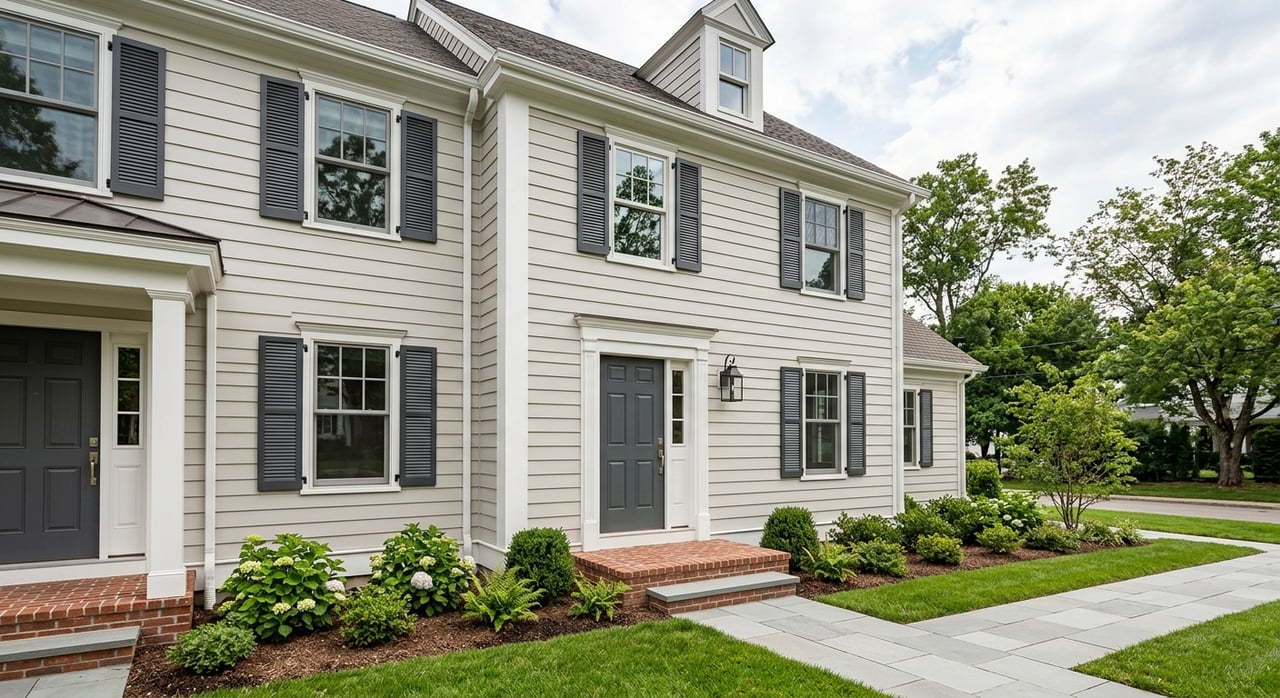
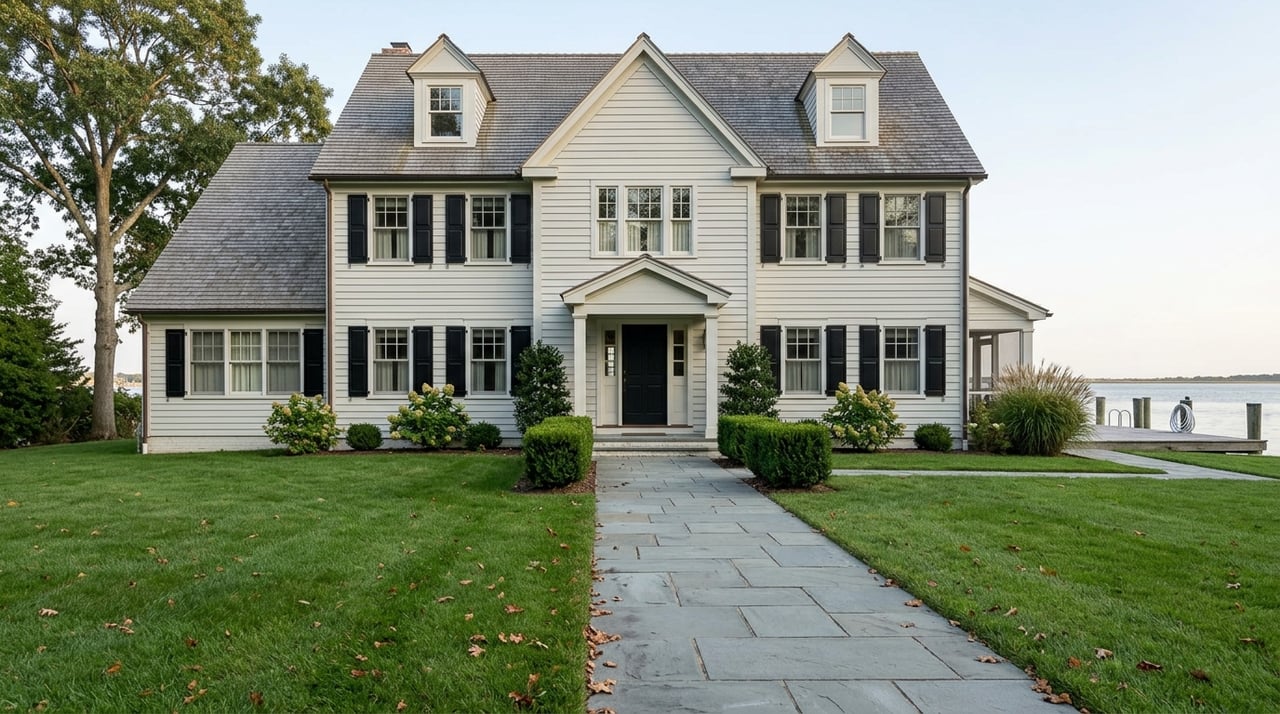
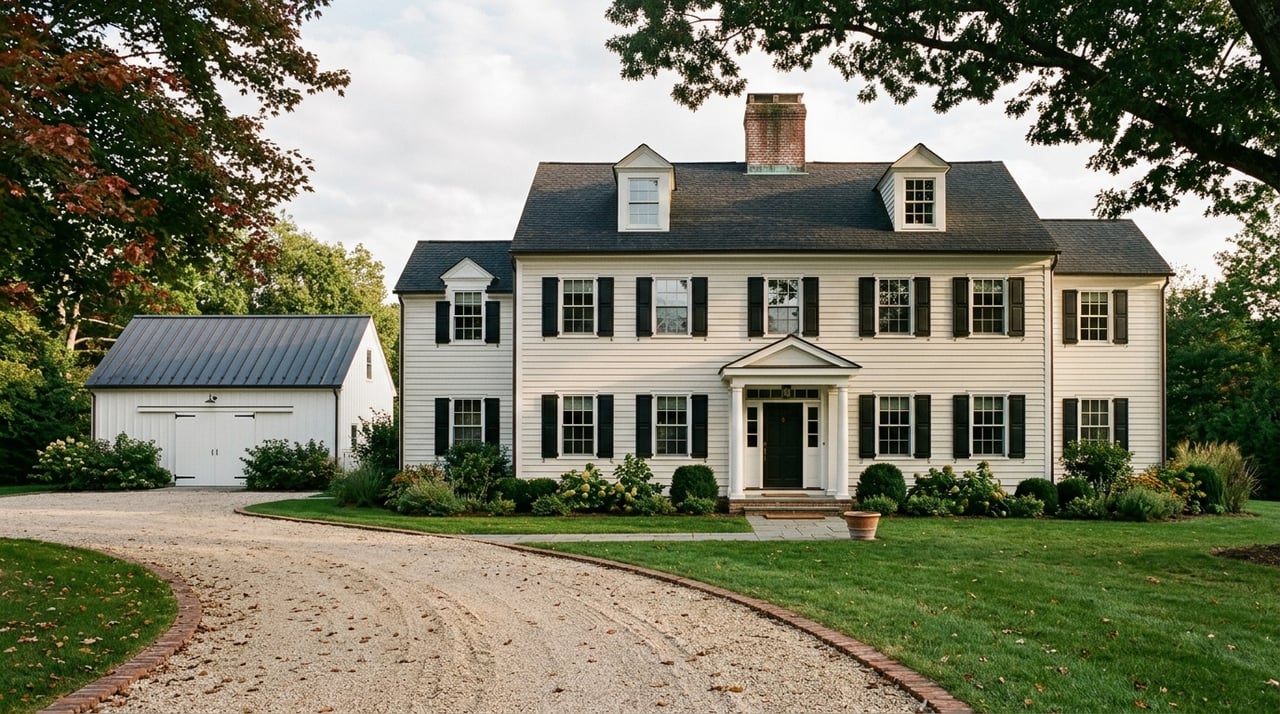
The city’s historic housing stock includes early Tidewater-era wood-frame buildings on stone foundations, along with Georgian, Federal, Greek Revival, Italianate, Queen Anne, Shingle, and Colonial Revival styles. That mix gives Annapolis its distinctive look, but it also means homes often have original materials and design features that are meant to be preserved.
For you as an owner, that can affect everything from window repairs to roof work. In many cases, the home is not just a residence. It is also part of the visual character of the street and the city.
What Older Annapolis Homes Are Often Like
Many older Annapolis homes were built for a dense colonial street pattern, not modern suburban living. You may see narrow lots, raised first floors, brick chimneys, original brickwork, older wood framing, and materials shaped by the area’s high water table and Tidewater climate.
That matters because maintenance is rarely one-size-fits-all. Historic brick, mortar, wood siding, rooflines, and window proportions often need a more careful approach than what you would use on a newer home.
If you are comparing a historic property to a more recently built home, expect the inspection and ownership experience to feel different. Charm is real, but so is the need for planning, patience, and the right repair strategy.
Maintenance Usually Follows a Preservation-First Approach
One of the biggest shifts for buyers is learning that repair is often preferred over replacement. Annapolis guidance consistently favors preserving original materials whenever possible.
That means common projects may include:
- Roof repair or replacement
- Chimney repair and relining
- Structural repairs
- Window and door restoration
- Storm doors and storm windows
- Masonry repair and repointing
- Mechanical, electrical, and plumbing work
- Restoration of interior finishes
This preservation-first mindset can help protect long-term value and historic character. It also means your contractor choices and project plans matter more than they might in a non-historic property.
Masonry and Mortar Need Special Care
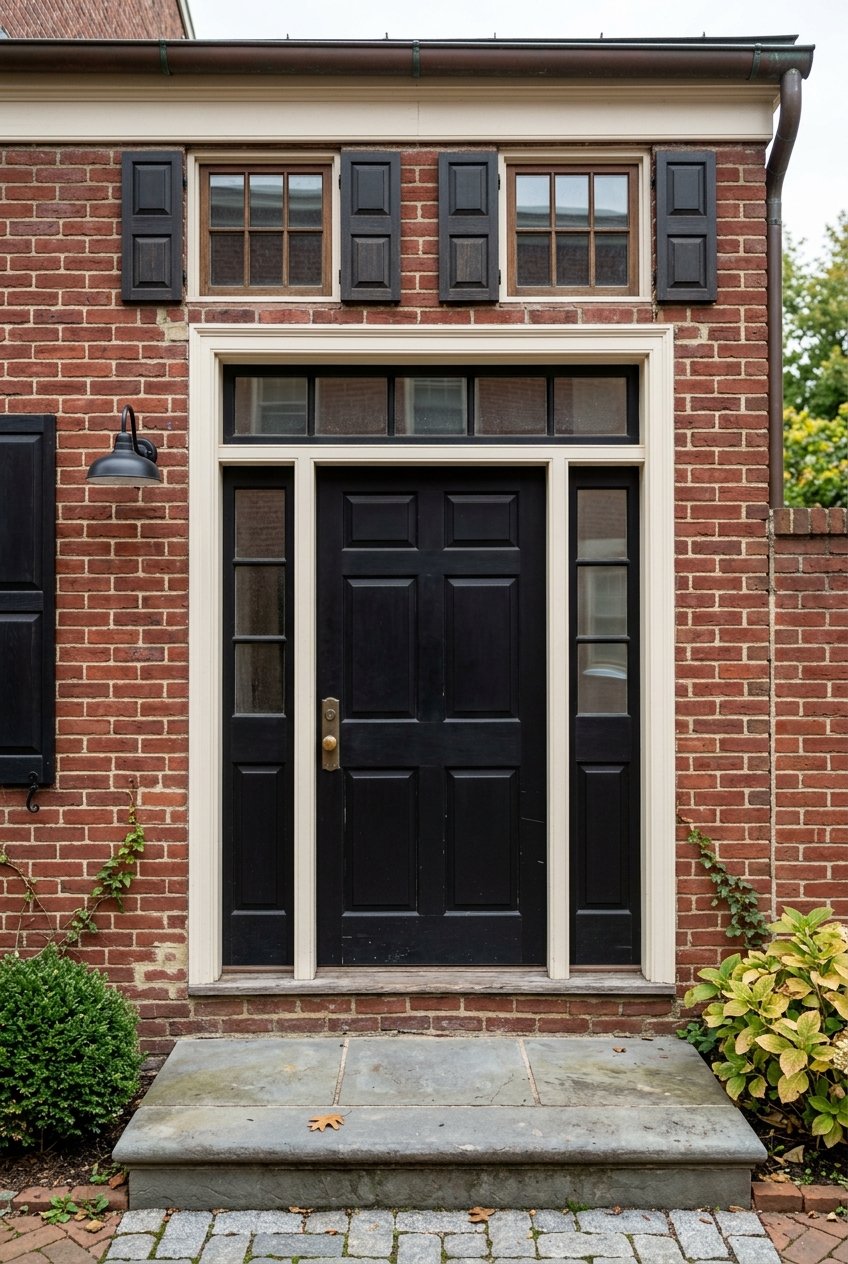
Brick and stone are major character-defining features in many Annapolis historic homes. If your home has historic masonry, the city expects it to be preserved carefully.
Repointing is not treated as routine maintenance. Mortar repairs are expected to match the original mix, color, texture, and tooling, and test panels are required for approval.
The city also does not permit water-repellent coatings and other sealants on historic masonry. Repainting exposed masonry is limited to specific situations, so this is an area where it pays to ask questions before starting work.
Roof Changes Can Be More Limited Than You Expect
Roofs are a major part of Annapolis’ historic streetscape. Because rooflines are visible from higher ground and from the water, the city closely reviews changes that could alter the original form.
Historic roofing materials should be retained and repaired whenever possible. Skylights are limited on front roof planes and on roof planes facing Spa Creek or the harbor, and rooftop decks are strongly discouraged.
If you dream of dramatic roof changes or a modern rooftop setup, this is an area to review early. A home can still work beautifully for modern life, but the design path may be narrower than you expect.
Windows and Doors Are a Common Ownership Issue
Historic windows and doors are often one of the biggest adjustment points for new owners. In Annapolis, the expectation is usually preservation in place unless replacement is clearly justified.
The city favors repair methods such as consolidation, Dutchman repairs, and replica fabrication when deterioration is severe. Vinyl and metal-clad replacement windows are not permitted, and large sliding glass doors with uninterrupted sheets of glass are not considered appropriate.
If divided-light windows are used, they should have true muntins rather than applied grids. In practical terms, this can affect both your budget and your timeline, especially if a previous owner deferred maintenance.
Siding, Trim, and Additions Must Stay Compatible
Historic siding should generally be repaired instead of replaced. Synthetic substitutes for wood siding and trim are not considered appropriate in the historic district.
When additions are allowed, they need to relate closely to the scale, proportion, and materials of the original building and the surrounding area. New masonry should be compatible with nearby historic brick, and modern extruded brick is generally not appropriate.
New openings in existing exterior walls are discouraged because they can change the building’s scale and rhythm. If you are buying with renovation plans in mind, it is smart to evaluate those ideas before you fall in love with a project that may be difficult to approve.
Exterior Work Usually Needs Approval
One of the most important things to know is that exterior work in the Annapolis Historic District is not a standard one-step permit process. The city states that all exterior projects in the Historic District require a certificate of approval, even if the project is otherwise exempt from a building permit.
The Historic Preservation Division has primary responsibility for reviewing exterior changes, administering the tax-credit program, and supporting the Historic Preservation Commission. The city also encourages owners to contact preservation staff even for repair work.
A helpful rule of thumb from the city is simple: ask first, apply early, and do no harm. That mindset can save you time, money, and frustration.
Project Timelines Can Be Longer
Some smaller projects may be reviewed administratively by staff if they fit the guidelines. More substantial exterior changes go before the Historic Preservation Commission.
The city allows applicants to request a pre-application meeting before filing a full application. Hearings are typically held on the second Tuesday of each month at 7 p.m., and applicants must post notice on the property at least 15 days before the hearing.
Because of that process, it helps to build extra time into your plans. Historic home projects often involve drawings, photos, material cut sheets, and possible revisions before approval is granted.
Check Whether the Home Is Inside the Historic District
Not every older home in Annapolis is subject to the same rules. Before you buy, confirm whether the property is inside the historic district and review what standards apply to that specific parcel.
The city’s boundary map and streets-and-zones table are important tools here. This step matters because the age of the home alone does not tell you what approval path or design standards may apply.
For buyers, this is one of the smartest early due diligence steps. It can shape your renovation plans, your budget, and your long-term expectations as an owner.
Tax Credits May Help Offset Costs
Historic ownership can bring extra costs, but Annapolis and Maryland also offer financial incentives for qualified work. Maryland’s homeowner historic tax credit can equal 20% of eligible rehabilitation expenses, capped at $50,000 in a 24-month period, with a minimum of $5,000 in eligible expenses.
Applications are accepted year-round, and review typically takes 30 to 45 days once a complete application is received. Work that begins before approval will not qualify, so timing matters.
Eligible projects commonly include:
- Roof work
- Chimney repair
- Structural repairs
- Window and door restoration
- Storm doors and windows
- Masonry repair or repointing
- Mechanical, electrical, and plumbing work
- Interior finish restoration
The state program says new construction and additions generally do not qualify. That is important if your main goal is to enlarge the home rather than preserve and rehabilitate it.
Annapolis Also Offers a Local Tax Credit
The city has its own local historic preservation tax credit as well. According to city code, residential landmark properties may qualify for a 10% credit, while income-producing properties may qualify for a 25% credit.
Certain residential interior life-safety or hazard-mitigation improvements may also qualify at 25%. The city’s checklist says the estimate must exceed $5,000, the work must be tied to exterior features or limited interior life-safety alterations of a contributing historic structure, and the application must be submitted before work starts.
If you are buying a historic home with planned updates, these programs are worth discussing early. They may not cover every project, but they can make preservation work more manageable.
Fire Safety May Be Part of Ownership Planning
For some downtown properties, fire safety is now a key part of the ownership conversation. The city offers 5-year, 1% APR loans up to $25,000 for sprinkler retrofits in the downtown Historic District.
The city also states that buildings on Main Street and Francis Street with a dedicated City water line must be sprinklered no later than April 6, 2027. Sprinkler work must comply with NFPA 13.
If you are considering a property in that area, this is an important item to review before closing. It may affect your improvement budget and timeline.
What This Means for Buyers
Owning a historic home in Annapolis is often a balance of beauty and responsibility. You get architectural character, a strong sense of place, and the experience of living in one of Maryland’s most distinctive settings.
You also need to plan for careful maintenance, longer approval timelines, and materials that match the home’s existing character. Buyers who do best are usually the ones who go in with clear expectations and a preservation-minded outlook.
With the right guidance, a historic home can be both deeply enjoyable and a smart long-term investment in Annapolis’ unique housing fabric.
If you are considering a historic home in Annapolis, it helps to work with someone who understands the local housing stock, the approval process, and how these properties differ from newer homes. For buyer guidance, neighborhood insight, or help evaluating a specific property, connect with Teresa Klem.
FAQs
What makes a home historic in Annapolis?
- In Annapolis, a historic home is often located within the local historic district and may contribute to the city’s preserved architectural character, materials, and streetscape.
Do exterior repairs on historic homes in Annapolis need approval?
- Yes. The city states that all exterior projects in the Historic District require a certificate of approval, even when a building permit is not required.
Can you replace windows in an Annapolis historic home?
- Maybe, but repair is generally preferred. Historic windows are expected to be preserved unless replacement is justified, and vinyl or metal-clad replacement windows are not permitted.
Are tax credits available for Annapolis historic homeowners?
- Yes. Maryland offers a homeowner historic tax credit for eligible rehabilitation work, and Annapolis also offers a local historic preservation tax credit for qualifying projects.
Do Annapolis historic homes take more time to renovate?
- Often, yes. Exterior work may require staff review or commission review, and the application process can involve drawings, photos, material information, and scheduled hearings.